AI, leadership and organisation

AI advisory.
Is your organisation ready?

The technology is not the hard part. The hard part is the leader who has to set a direction in something she has not tried herself. The middle manager who has to make it work in a busy everyday. And the employee who has to change the way she works.
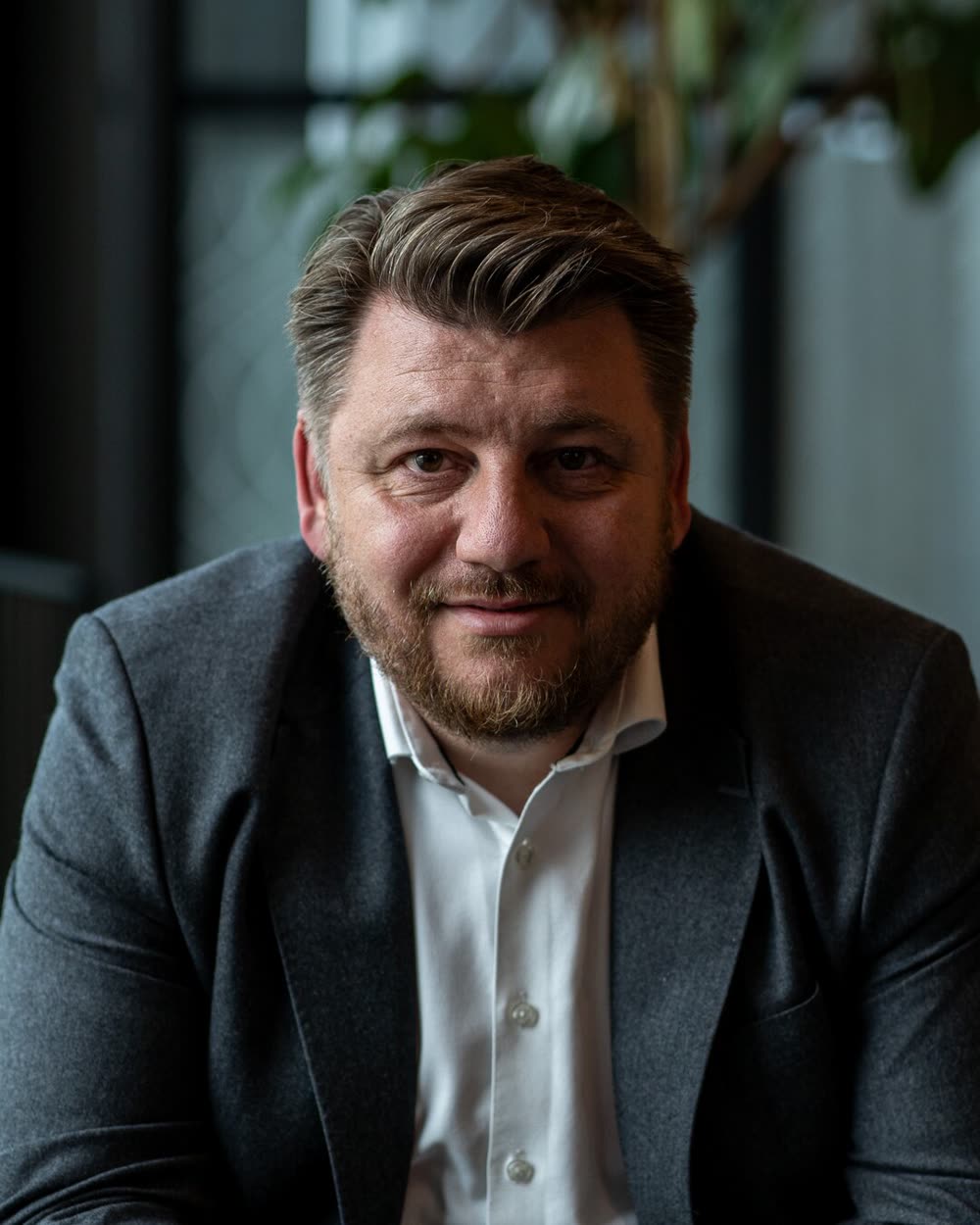
Janus Kierkegaard, founder of People & AI

It does not start with the technology

The enquiries I get are almost never about choosing a tool. They are about this:

We have invested in AI, but the effect is missing

The licences are bought, the pilot has run, and the excitement has settled. What remains is the question of how it reaches daily operations. That is an organisational question.

The leadership team lacks a shared picture

Everyone is talking about AI, but not about the same thing. Without a shared understanding of what AI is for in your organisation, every single decision becomes heavier than it needs to be.

Our middle managers are caught in between

They have to translate strategy into everyday work and lead people through a change no one prepared them for. This is where good intentions stall.

Are we even ready?

A fair question to ask before investing more. Habits and ways of working decide the outcome long before the choice of technology does.

AI lands in several places at once

The change cannot be isolated to one place in the organisation. It shows up in the leader, in the organisation around her, and in the work that actually has to get done on Monday.

The leader

How do I understand and lead in a time of AI?

A leader has to be able to explain why this makes sense and set priorities in something she has not tried before. It takes an understanding of the technology, but technical skills are not what is missing.

The organisation

Is the organisation around it ready for the change?

Here, culture is not about values on a poster, but about concrete things: Who owns it? Is there room to try and fail? And what actually happens when someone suggests changing a way of working that has worked for ten years?

The work

Does AI actually change the way the work gets done?

The effect only shows once AI moves into the tasks people solve every day. It takes someone daring to change a way of working and hold on when it is awkward at the start.

Services

Five ways into the work with AI, leadership and organisation. Choose the one that looks like what you are facing.

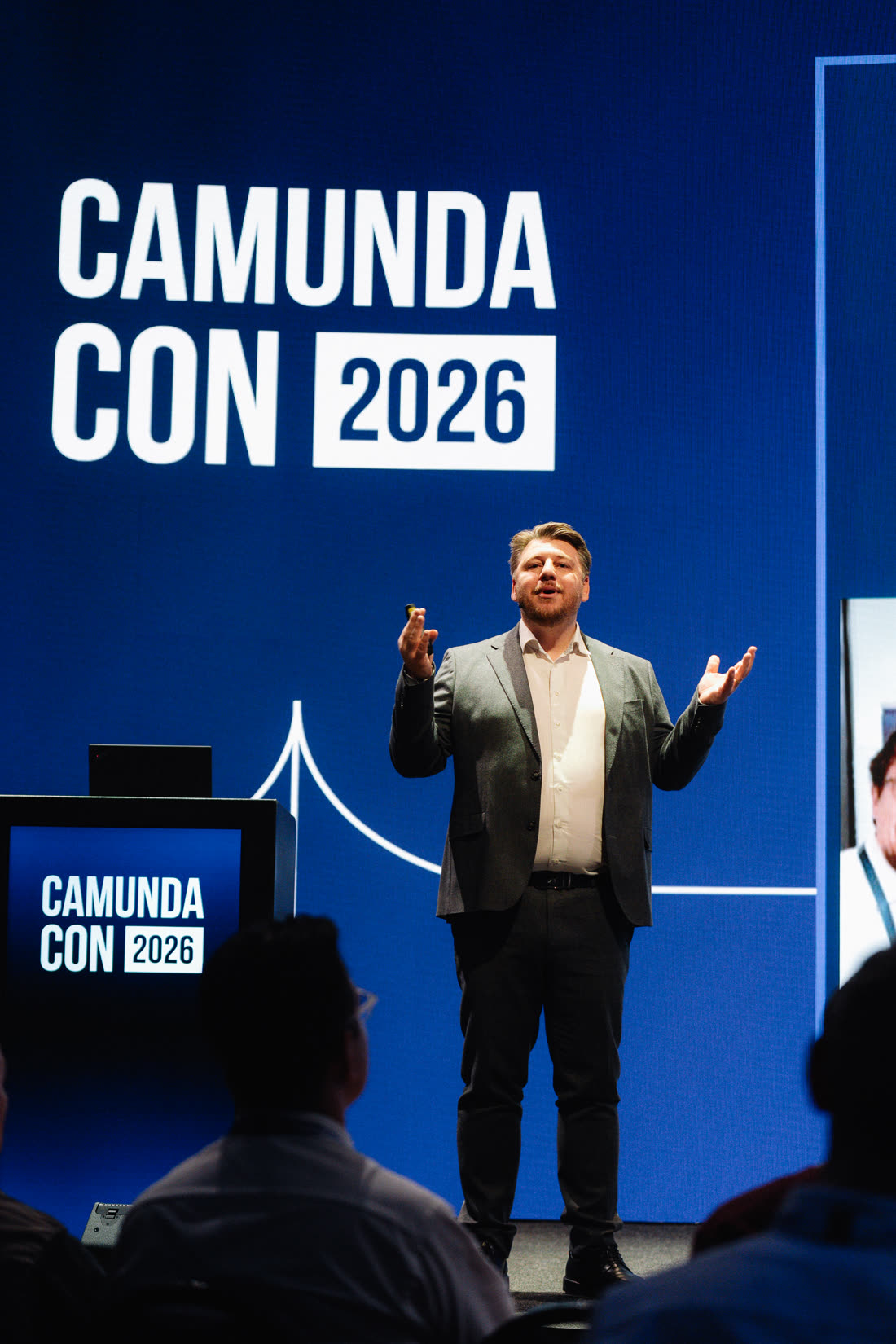
Janus Kierkegaard on stage at CamundaCon 2026
Janus Kierkegaard
"This is not theory for me. I have stood with the task myself."

I have worked with transformation at the intersection of business and technology for more than 20 years, most recently responsible for AI and automation in one of Denmark's large financial companies. It has given me a fairly concrete sense of the difference between when the technology is ready and when the organisation is. I have facilitated more than 90 adoption programmes with over 1000 participants.

From the boardroom, an AI change looks markedly different than it does from the desk of the person who has to change their way of working on Monday. That gap is a large part of what I work with.

More about the background

What a collaboration can look like

It is shaped by where you are. But it most often starts in one of these places:

Sparring with the leadership

Confidential conversations about direction and about the leadership task itself. The best place to begin when the picture is unclear.

Workshop or talk

For the leadership team, the middle management layer or the whole organisation. Always grounded in your own tasks rather than generic examples.

Programme

When the change has to be driven over a longer period, and someone has to hold on to it along the way.

A quick picture of where you stand

The readiness test takes three minutes and is an honest place to start the conversation. Take the test here.

Tell me what you are facing

Write a few lines about your situation. You will get an honest answer, even if it is that you do not need me yet.

Send a message